

You bought the programs. Utilization is a separate question.
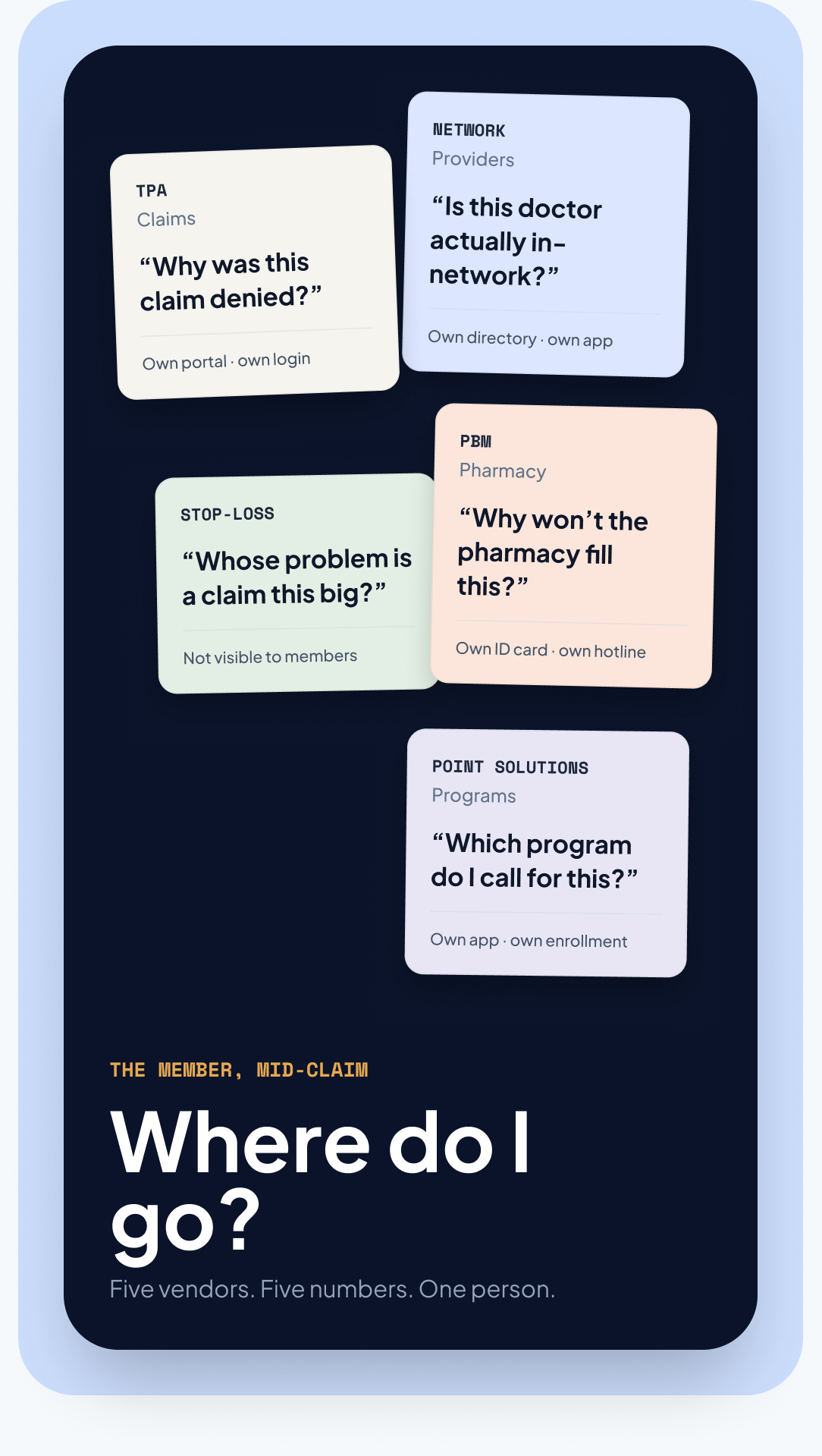
A self-funded employer of any size runs a stack of benefits programs. But having the programs doesn't mean members know which one to use.
Each purchase was defensible
Together they assume the member knows which one applies and remembers it under stress.

Govern specialty-care entry before cost is committed
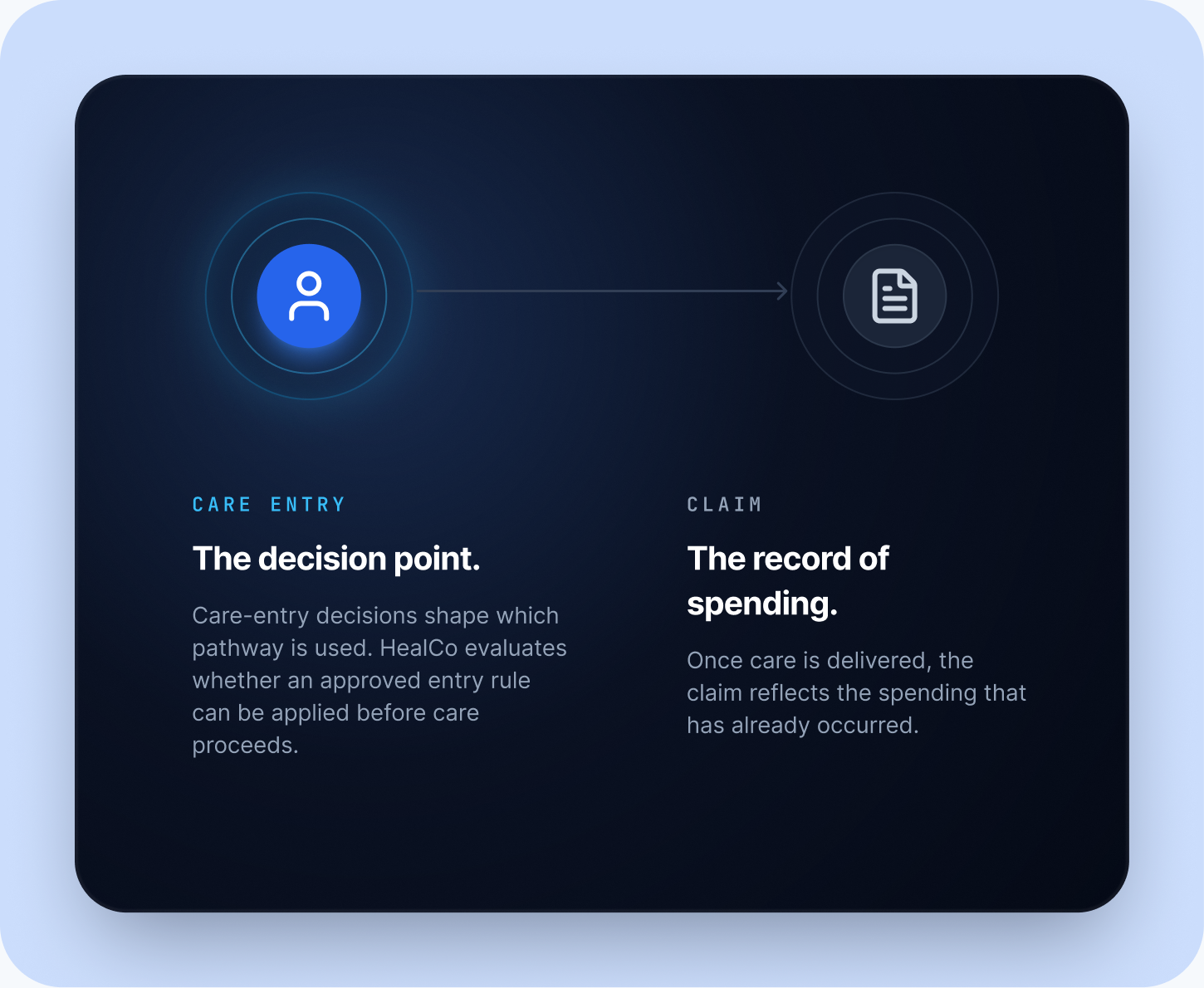
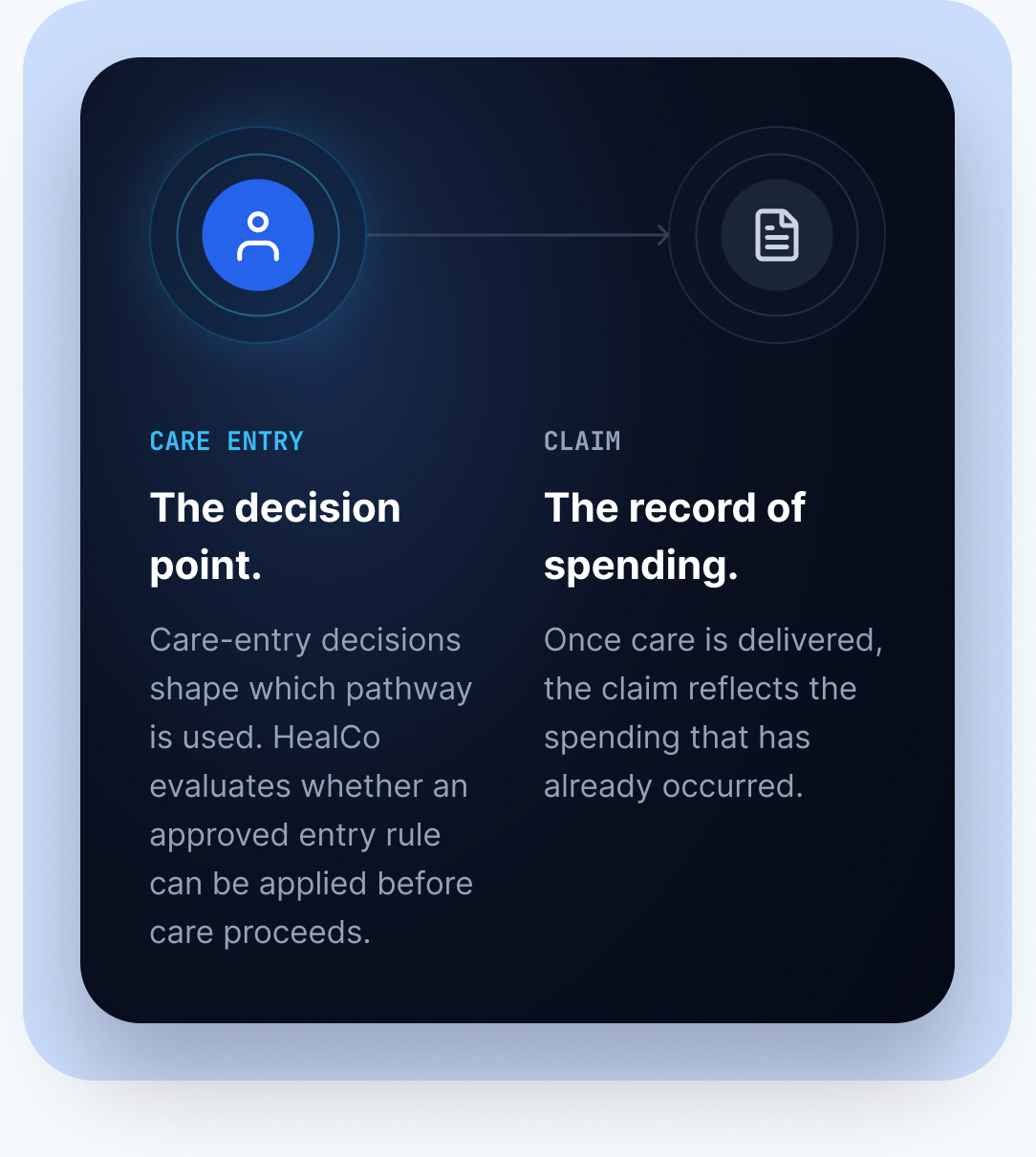
Care-entry decisions shape which pathway is used. HealCo evaluates whether an approved entry rule can be applied before care proceeds.
What changes and what does not
The plan approves a rule for a defined category. HealCo applies it when an eligible member enters, routes them to the approved pathway, keeps the existing network available as fallback, and records the decision.


Fiduciary and disclosure context
Private self-funded plan sponsors operate within ERISA and other applicable plan-governance and disclosure requirements. HealCo documents the governance process it executes; questions about legal obligations remain with the plan and its counsel.

Important distinction
HealCo does not provide legal advice and does not satisfy a fiduciary obligation for any sponsor. What a particular plan's obligations require is a question for the plan's counsel.
What qualifies
A potential fit requires:
Self-funded plan
Your organization pays claims directly and carries the risk.
Authority to adopt a pathway
Someone on your side can approve a change to how care enters the plan.
Shareable contracts
Relevant contracts can be shared for evaluation.
Usable claims or workflow data
Claims or workflow data is available in a usable format.
A live decision or renewal window
A contract, renewal or pathway decision creating a practical window for action.

Fully insured plans.
The carrier holds the data and the authority, so there is nothing for us to change.

Level-funded plans.
Evaluated one at a time and do not qualify automatically. It comes down to whether the plan holds the data rights and the authority to change how care enters.